
LOOKING FOR A CAR ACCIDENT LAWYER TO REPRESENT YOU?
Should You Speak with the Other Driver's Insurance Adjuster After an Accident?
You should contact a car accident lawyer as soon as possible after receiving medical care, especially if you were injured, missed work, face ongoing treatment, or disagree with the insurance company about fault or compensation. Getting advice early can help you protect important evidence and avoid accepting a settlement before you understand the full impact of your injuries.
Legal representation is particularly helpful when another driver denies responsibility, multiple vehicles are involved, the available insurance is insufficient, or an adjuster pressures you to settle. Car accident attorneys can investigate the crash, evaluate your losses, and handle settlement negotiations.
Texas generally gives injured people two years to file a personal injury lawsuit, but exceptions and shorter notice requirements may apply. Do not assume that an open insurance claim protects your filing deadline. You do not need to wait until treatment ends to explore your options. Request a free consultation with a car accident lawyer to discuss whether hiring an attorney makes sense for your situation.
After a car accident, your first priorities are safety, medical attention, and documenting what happened. The steps you take can also protect your right to compensation if another driver caused the collision.
- Check for injuries and move to safety. Call 911 if anyone is injured or emergency assistance is needed. Move vehicles out of traffic when safe and appropriate.
- Report the accident. Contact law enforcement when required and obtain the accident report information.
- Document the scene. Photograph vehicle damage, road conditions, traffic signs, and visible injuries. Exchange insurance information and collect witness contact details.
- Seek medical attention. Some injuries, including concussions and soft-tissue injuries, may not become apparent immediately.
- Notify your insurance company. Report the accident promptly but avoid speculating about fault or the extent of your injuries.
- Preserve records. Keep medical bills, repair estimates, photographs, and documentation of missed work.
Before accepting an insurance settlement, consider speaking with an experienced car accident lawyer who can evaluate your claim and explain your legal options.
Should I talk to the other driver’s insurance company after a car accident?
You can provide basic information to report a claim, but consider speaking with a car accident attorney before discussing fault, describing your injuries in detail, or accepting a settlement. The other driver’s insurance adjuster represents that insurer, not you.
In Texas, you generally do not have to give the other driver’s insurance company a recorded statement. Your obligations to your own insurer may be different: your policy may require you to report the accident and cooperate with its investigation.
If the other driver’s adjuster contacts you:
- Ask for the adjuster’s name, contact information, and claim number.
- Stick to facts you know; do not speculate about speed, distance, fault, or the extent of your injuries.
- Avoid signing medical authorizations or settlement releases without understanding their scope.
- If you have an attorney, refer detailed questions to them.
An early settlement may require you to give up additional claims, even if you later discover injuries or need further treatment.
You can provide basic information to report a claim but consider speaking with a car accident attorney before discussing fault, describing your injuries in detail, or accepting a settlement. The other driver’s insurance adjuster represents that insurer, not you.
After a collision, an adjuster may contact you to ask what happened, how you are feeling, and whether you have received medical treatment. Although the conversation may seem routine, your answers may become part of the insurer’s evaluation of your claim.
In a typical Texas third-party car accident claim, you generally do not have to give the other driver’s insurer a recorded statement. Your obligations to your own insurance company may be different.
Understanding what information to provide—and when to seek legal advice—can help you communicate accurately without making premature statements or agreements.
Am I Required to Speak with the Other Driver’s Insurance Adjuster?
In a typical Texas third-party claim, you generally are not required to give the other driver’s insurance company a recorded statement. You can decline a voluntary recorded interview, request questions in writing, or ask the insurer to communicate with your attorney.
That does not mean refusing every request is the most useful approach. The insurer needs information to investigate and evaluate the claim. Providing basic administrative details is different from answering detailed questions about disputed fault, medical treatment, or settlement value.
Basic information may include your name, contact details, the accident date, vehicle information, and police report number. The Texas Department of Insurance recommends reporting the accident to the other driver’s insurer and notifying your own insurance company
Your own policy may require prompt notification, reasonable cooperation, and supporting documentation. Do not assume that declining a voluntary interview with the other driver’s insurer allows you to disregard requirements under your own policy.
Why Does the Other Driver’s Insurance Company Want to Talk to Me?
When you seek compensation under another driver’s automobile insurance policy, you are making a third-party insurance claim. Unlike a claim under your own policy, you generally do not have a contract with that insurer.
Texas Department of Insurance (TDI) identifies this distinction as an important limitation on your options when dealing with the other driver’s insurance company.
The adjuster gathers information to assess whether the policy provides coverage, whether its policyholder was responsible, and what losses may be payable. Requests may include your account of the collision, photographs, repair estimates, medical records, and other supporting documents.
An adjuster might ask whether you saw the other vehicle before impact, whether you could have avoided the crash, or when you first noticed pain. Those answers may influence the insurer’s assessment of responsibility and damages.
This does not mean every adjuster is trying to mislead you. It means the adjuster works for the insurance company and is not your legal representative.
What Should I Do if the Other Driver’s Insurance Adjuster Calls?
Stay courteous and keep the initial conversation focused on basic information. Start by asking for:
- The adjuster’s full name and direct contact information.
- The insurance company’s name.
- The claim number.
- The purpose of the call.
- Whether the conversation is being recorded.
If you provide preliminary information, stick to facts you know, such as the crash date, location, and vehicles involved. Do not guess about details you cannot accurately recall.
You can explain that you are not prepared to discuss injury details or settlement terms. If you have an attorney, provide their contact information and ask that detailed questions go to them.
After the call, write down the date, time, and subjects discussed. Save emails, letters, text messages, and any documents the insurer sends.
Keep your supporting records organized as well, including photographs, witness information, the police report, repair estimates, medical bills, and documentation of missed work. These materials can help you respond to later requests without relying only on memory.

Should I Give a Recorded Statement After a Car Accident?
A recorded statement preserves your answers about the collision, your injuries, and related events. The insurer may refer to it when evaluating your claim or discussing settlement.
The concern is not simply that the conversation is recorded. It is that you may be asked for a detailed account before you have enough information to give a complete, accurate answer.
You may be uncertain about vehicle speeds, distances, or the sequence of events. You may also still be undergoing medical evaluation. An estimate or incomplete description can create questions later if additional evidence provides a different picture.
If the other driver’s insurer requests a recorded statement, ask why it is needed and whether you can review the request with an attorney first. You might say:
“I am not agreeing to a recorded statement at this time. Please send your questions and document requests in writing so I can review them.”
This guidance concerns a voluntary statement to the other driver’s insurer. Requests from your own insurer, a subpoena, or formal litigation require separate consideration.
Declining a voluntary recorded interview does not remove the need to support your claim with truthful information and relevant evidence.
What Should I Avoid Saying to the Other Driver’s Insurance Company?
The goal is to communicate accurately—not to hide information or rehearse a particular account. Avoid speculation, unsupported conclusions, and agreements you do not understand.
- Do not guess about speed, distance, or timing. If you do not know an answer, say so.
- Do not make unsupported admissions of fault. Describe facts you know rather than agreeing with an adjuster’s suggested conclusion.
- Do not minimize or exaggerate your injuries. Explain your symptoms accurately and say when your condition is still being evaluated.
- Do not predict recovery time or future treatment without a medical basis.
- Do not agree to a settlement or sign a release before understanding its terms and the losses it addresses.
If you realize that something you said was inaccurate, preserve the relevant records and seek advice about how to clarify it truthfully.
What if I Already Spoke with the Insurance Adjuster?
Having already spoken with an adjuster does not automatically mean you have damaged your claim or lost the ability to hire an attorney. The important questions are what you said, what information you provided, and whether you signed or accepted anything.
Write down what you remember, including:
- The questions asked and your responses.
- Any discussion of fault, injuries, or treatment.
- Any settlement offers or payment.
- Whether the conversation was recorded.
- Any documents you signed.
Save all related correspondence. If a recording was made, you can request a copy, although the insurer may not voluntarily provide it.
Do not change your account simply to make the claim appear stronger. If you gave an estimate or made an error, an attorney can help assess whether clarification is appropriate and what evidence supports it.
If you signed a medical authorization, settlement agreement, or release, have the actual document reviewed. Its wording matters more than a general description of what you understood it to mean.
How Can My Statements Affect Who Is at Fault?
Insurance companies consider statements alongside evidence such as photographs, vehicle damage, witness accounts, traffic controls, surveillance footage, and police reports. A comment about what you could have done differently may become part of that evaluation, but it does not automatically establish legal fault.
Texas uses a modified comparative-responsibility system. Under Chapter 33 of the Texas Civil Practice and Remedies Code, an injured person’s damages are generally reduced by their percentage of responsibility. A claimant whose responsibility is greater than 50% cannot recover damages in an action governed by that chapter.
For example, if a claimant has $100,000 in damages and is found 20% responsible, that percentage would generally reduce the damages to $80,000 before other applicable adjustments.
An insurer’s initial fault assessment is not necessarily the final legal determination. Evidence may support challenging its conclusions, particularly when the drivers give conflicting accounts.

Can the Insurance Company Use My Medical History Against Me?
Whiplash and Other Neck Injuries
Sudden movement of the head and neck can injure muscles, ligaments, and other soft tissues. Symptoms may include neck pain, stiffness, headaches, reduced range of motion, or discomfort extending into the shoulders and upper back.
Concussions and Other Head Injuries
A concussion can occur from a blow to the head or rapid movement of the head and body. A direct head impact or loss of consciousness is not required. Symptoms may include headaches, dizziness, nausea, sensitivity to light or noise, sleep changes, and difficulty concentrating or remembering information.
Back and Soft Tissue Injuries
A collision can injure muscles, ligaments, discs, or nerves, or aggravate an existing condition. Pain, swelling, stiffness, or limited movement may become more noticeable after the accident. Report numbness, tingling, weakness, or pain extending into an arm or leg to a healthcare professional promptly.
Internal Injuries
Some chest, abdominal, or other internal injuries may not be immediately apparent. Increasing abdominal pain, fainting, severe weakness, or other concerning symptoms require urgent evaluation. Internal bleeding and organ injuries can become dangerous even when there are no obvious external wounds.
Soft Tissue Injuries
Sprains, strains, and other injuries involving muscles and connective tissues may become more painful after the initial shock of the collision subsides. Swelling and inflammation can limit movement, interfere with sleep, and make ordinary activities difficult.
These examples are not a checklist for diagnosing yourself. A healthcare professional can evaluate your symptoms and determine what care is appropriate.
An insurer may examine whether your claimed injuries resulted from the collision, an earlier condition, or a combination of factors. Prior accidents, ongoing symptoms, and earlier treatment can become relevant to that assessment.
A preexisting condition does not necessarily defeat an injury claim. The distinction between an existing condition and harm caused or aggravated by the collision may require medical records, imaging, and professional opinions.
If an adjuster requests a medical authorization, review what it permits before signing. Consider:
- Which healthcare providers it covers.
- What dates and types of records it includes.
- Whether it permits access to unrelated medical information.
- Whether it authorizes disclosures beyond obtaining records.
You still need appropriate medical evidence to support an injury claim. An attorney can help address requests for relevant documentation without treating every request as a reason to provide unrestricted access to your medical history.
What Compensation Can I Recover After a Car Accident?
The compensation available depends on the evidence, the injuries, responsibility for the crash, available coverage, and applicable law. Potential losses may include:
- Medical expenses, including treatment, rehabilitation, and supported future care needs.
- Lost income and reduced earning capacity.
- Physical pain, mental anguish, and other legally recoverable noneconomic harm.
- Vehicle repairs or replacement and other recoverable property-related expenses.
The firm’s personal injury resources discuss how medical expenses, lost wages, pain and suffering, property damage, comparative fault, and insurance limits can affect a case’s value.
An early assessment may not reflect the full consequences of an injury. For example, an emergency room bill alone may not capture recommended rehabilitation, additional time away from work, or ongoing limitations.
Evaluating compensation requires more than adding current bills. It also means understanding which future losses can reasonably be supported and what insurance or other recovery sources may be available.
How Do Insurance Companies Negotiate Car Accident Settlements?
Settlement discussions generally involve the insurer’s assessment of responsibility, coverage, and documented losses. An adjuster may request additional information, challenge specific expenses, or make an offer.
An injured person or their attorney may respond with a demand explaining the collision, the basis for liability, the injuries, and the compensation sought. Supporting materials may include medical records, bills, wage documentation, photographs, and evidence of future care needs.
Negotiations may focus on disagreements about fault, whether treatment was related to the accident, or the extent of ongoing impairment. Additional evidence may help address those disputes.
Not every claim requires a lawsuit. However, before accepting an offer, you should understand what the settlement resolves and whether the supporting evidence adequately reflects your losses.
Why Should I Be Careful About Early Settlement Offers?
Can Delaying Medical Treatment Affect Your Claim?
A delay may create questions about when symptoms began and whether they resulted from the collision. An insurance company may dispute the connection between the accident and an injury first reported much later.
However, a treatment delay does not automatically mean you were uninjured or that you cannot pursue compensation. Symptoms may develop gradually, and practical obstacles can make obtaining care difficult.
If you delayed treatment because you initially felt well, could not get an appointment, lacked transportation, or worried about cost, explain what happened to your healthcare provider and attorney. Preserve appointment requests, messages, and other records that help clarify the timeline.
The same principle applies to interruptions in treatment. If you miss an appointment, attempt to reschedule it. If cost, medication side effects, or another obstacle prevents you from following a recommendation, discuss the problem with your healthcare provider rather than discontinuing care without explanation.
Medical records are evidence, not an absolute legal requirement for every category of damages. The strength of a claim depends on the full circumstances, including liability, causation, medical findings, and other available documentation.
An early payment may be appealing when medical bills are arriving, or you have missed work. The concern is whether you understand the extent of your losses and the rights you would release.
A settlement agreement may prevent additional recovery for the claims it resolves, even if you later need more treatment. The exact terms matter.
Before accepting an offer, consider:
- Does it resolve property damage, bodily injury, or both?
- Have current and reasonably anticipated medical needs been evaluated?
- Does it account for supported lost income and other losses?
- Are there medical bills or reimbursement obligations that could affect your net recovery?
- Which people or entities would be released?
- What happens if your condition worsens?
Do not assume that a vehicle-damage payment and an injury settlement have the same effect. Review the actual release rather than relying on its title or a verbal description.
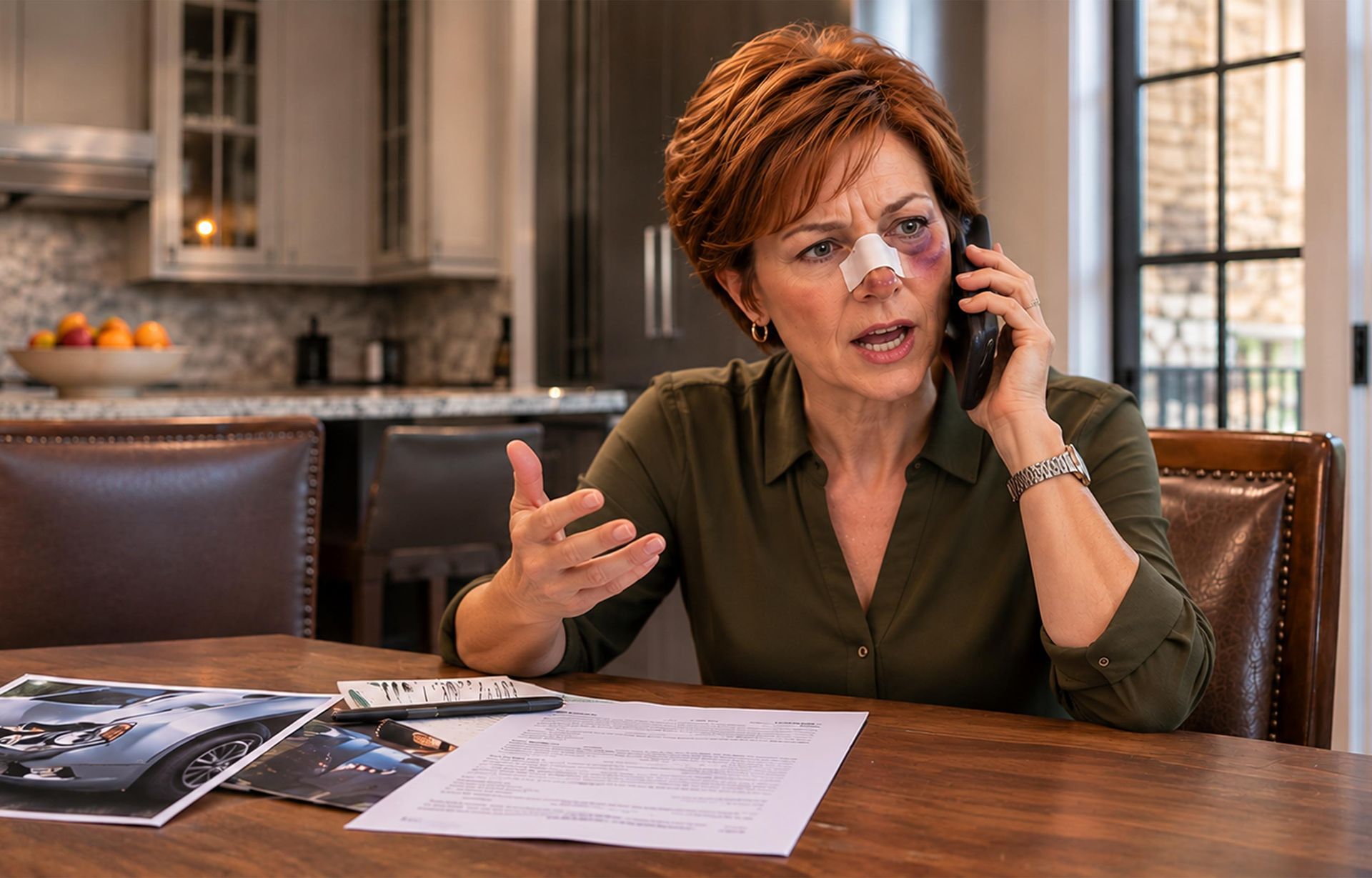
What if the Other Driver’s Insurance Company Denies My Claim?
How Does Fault Affect Compensation After a Texas Car Accident?
Determining how medical bills will be paid is different from establishing who is legally responsible for the accident. Receiving medical treatment does not automatically establish that another driver caused your injuries. A successful negligence claim generally requires evidence showing that another party owed a duty of reasonable care, breached that duty, and caused injuries resulting in compensable damages.
Evidence of fault may include police reports, traffic camera footage, vehicle damage, photographs, witness testimony, and accident reconstruction findings. Medical evidence addresses a different but equally important question: whether the collision caused or aggravated the injuries for which compensation is requested. Both types of evidence may be necessary to establish liability and support a personal injury claim.
Texas uses a modified comparative responsibility system. Under Texas Civil Practice and Remedies Code Chapter 33, an injured person generally cannot recover damages in a covered negligence action if their percentage of responsibility exceeds 50%. If their responsibility is 50% or less, their recoverable damages are generally reduced by their assigned percentage of fault.
For example, if a driver has $100,000 in legally recoverable damages but is found 20% responsible for the collision, the award would generally be reduced to $80,000, before considering other applicable adjustments. This reduction can affect compensation for medical expenses, lost wages, pain and suffering, and other recoverable losses.
Because disagreements over fault can significantly affect the outcome of a claim, an experienced Texas car accident attorney can investigate the collision, evaluate the available evidence, and challenge unsupported attempts to assign responsibility to the injured person.
An insurer may dispute fault, question whether the collision caused your injuries, identify a coverage issue, or determine that available insurance is insufficient.
Ask for a detailed explanation in writing. TDI specifically recommends obtaining written reasons when the other driver’s insurer refuses payment.
The next step depends on the reason for the denial. Additional photographs, witness statements, medical evidence, or other records may help address a factual dispute.
Your own coverage may also provide options. Depending on your policy and the circumstances, collision coverage, personal injury protection, medical payments coverage, or uninsured/underinsured motorist coverage may apply.
You can also consider a complaint to TDI. Its guidance explains that an insurer responding to a complaint about another driver’s coverage must explain its position, while identifying legal help as a further option if payment remains disputed. A complaint is not a substitute for protecting a lawsuit deadline.
How Long Do I Have to File a Car Accident Lawsuit in Texas?
Should You Settle Before Medical Treatment Is Finished?
Be cautious about accepting a settlement before you understand your condition and likely future needs. An early offer may not account for additional treatment, continuing work restrictions, or complications that become apparent later.
You do not necessarily have to finish every appointment before resolving a claim. However, you should have enough reliable medical information to assess current and reasonably anticipated future losses.
The Texas Department of Insurance advises injured people to discuss future treatment with their doctor before signing a release. Have an attorney explain what the proposed release covers and how outstanding bills or reimbursement claims may affect the amount you receive.
Texas generally provides a two-year limitations period for personal injury lawsuits, measured from when the cause of action accrues—often the collision date in a car accident injury case. Section 16.003 of the Texas Civil Practice and Remedies Code establishes the general two-year period.
Exceptions and special rules can change the analysis. Claims involving government entities may also involve separate notice requirements. Do not assume the general deadline resolves every situation.
The deadline for filing a lawsuit is different from an insurance policy’s accident-reporting requirements. Reporting a claim or continuing settlement discussions should not be treated as assurance that a lawsuit deadline has been extended.
Seeking advice early allows time to evaluate the applicable deadlines, preserve evidence, and identify the parties against whom a claim may need to be brought.
When Should I Let a Car Accident Lawyer Handle the Insurance Company?
Consider seeking legal advice when the accident involves:
- Significant injuries or ongoing treatment.
- Disputed responsibility.
- Substantial medical expenses or missed work.
- Questions about preexisting conditions.
- A denied claim or disputed coverage.
- A recorded-statement request, broad medical authorization, or settlement release you do not understand.
- An approaching lawsuit deadline.
An attorney can investigate the collision, organize supporting evidence, evaluate coverage and damages, and handle communications and negotiations. If settlement does not resolve the dispute, counsel can assess whether litigation is appropriate.
You do not need to wait for a denial or settlement offer before asking for advice.
Get Advice Before Making an Insurance Decision
The best time to consult a car accident lawyer is generally early in the claims process when injuries, disputed responsibility, insurance complications, or substantial financial losses are involved. Prompt advice can help preserve evidence, clarify legal deadlines, and identify issues that may affect the claim. However, straightforward accidents involving only minor property damage may not require professional representation.
The decision to hire an attorney should depend on the facts of the accident and the assistance needed, rather than an assumption that every collision requires legal action. Understanding the potential benefits and costs of representation allows injured people to decide whether they can reasonably handle a claim themselves or would benefit from an attorney's involvement.
For additional information about legal representation following a collision, Gordon & Elias, LLP provides information about its Texas car accident practice and offers consultations to discuss potential claims. See the firm’s car accident lawyer practice page.
This article provides general information about Texas law and is not legal advice. Applicable deadlines, insurance rights, and legal remedies depend on the circumstances of each case.
If you have questions about injuries, insurance communications, or a settlement offer after a Texas car accident, Gordon & Elias, LLP offers free consultations to discuss potential legal options.
Learn more about working with a car accident lawyer or request a free consultation .
This article provides general information about Texas car accidents, not medical or legal advice. Legal rights, insurance coverage, and deadlines depend on the circumstances.
Talking to the other driver’s insurance company is not automatically a mistake. The important distinction is between providing basic claim information and making detailed statements or agreements before you understand their implications.
Gordon & Elias, LLP can review your situation, explain your options, and assist with insurance communications. The firm offers free initial consultations and handles injury cases on a contingency fee basis, subject to the representation agreement.
Request a free consultation or call 800-773-6770 to discuss your situation before giving a detailed statement, signing a release, or accepting an injury settlement.
This article provides general information about Texas claims, not legal advice for a particular situation.
Every state limits the amount of time you have to file a claim.
Don't Delay.
Contact the Attorneys at Gordon & Elias, LLP Today to preserve your right to a recovery.


